
ACH Return Code R17 — “File Record Edit Criteria” — is one of the most misunderstood ACH errors, yet it’s increasingly common across the legal, collections, and billing industries. In simple terms, R17 occurs when the bank can’t process an ACH entry because critical...

ACH Return Codes Explained: The Complete Guide for Payment Recovery Teams
ACH payments continue to be one of the most efficient, cost-effective, and widely used payment methods for agencies, creditors, and law firms. But when an ACH return occurs, it can slow down recovery, add operational work, and introduce compliance considerations your...

8 Tips for Personal Finance Success in the Second Half of the Year
As we make our way into the second half of the year, it’s a great time to review your progress toward the goals you set earlier this year. Here are some strategies to help you navigate the next six months to help you meet this year’s financial resolutions.

Understanding Card-Not-Present Transactions: Benefits, Challenges, and Best Practices
Card-not-present transactions are a type of payment made when the physical credit card isn’t present at the time of the payment. There are challenges of card-not-present transactions, but they can be managed so you can scale your payments with ease.

The CFPB Warns About Collecting Time-Barred Debts
The Consumer Financial Protection Bureau’s recent advisory opinion emphasizes the regulations for debt collectors on time-barred debts, under the FDCPA and Regulation F. The opinion became effective on May 1, 2023.

What is AI? An Overview of Artificial Intelligence
In a matter of months, artificial Intelligence, or AI, has become part of our everyday conversation. No doubt, it’s partly due to its increased accessibility through tools like ChatGPT. Having a solid understanding of AI is important as the technology becomes more prevalent. Let’s break dig into what exactly is AI, how does it work, and why does it matter.

Understanding the Psychology of Debt Collections: Strategies for Effective Recovery
When it comes to recovering debts, understanding the psychology of consumers with debt is crucial. In this article, we will explore the emotional impact of debt, the behaviors exhibited by consumers, and strategies that can be used for effective debt recovery.

ACH vs. Wire Transfer: Key Differences and Benefits
ACH and wire transfer are two of the most popular ways to move money and neither requires a credit or debit card. These two methods, while similar in their digital nature, differ in their mechanisms, costs, speeds, security measures, availability, and more.
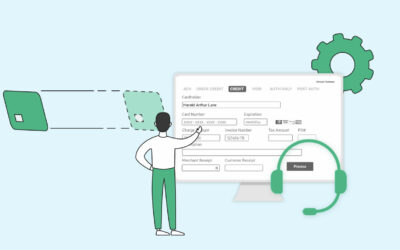
What is a Virtual Terminal? Features and Benefits
Virtual terminals are an option for businesses to accept payments at the office or on the go. Customers don’t even need to be physically present to make a payment.

Decoding the CFPB’s Analysis of AI and Chatbots in Banking
The Consumer Financial Protection Bureau’s recent issue spotlight took a close look at the growing use of chatbots in the banking industry, discussing the limits and risks of using the technology for customer service.

Required Disclosures for Recurring Bill Payments
Recurring bill payments improve cash flow and streamline payments, but the law requires that you give consumers key information and get their permission before billing them automatically.

The Power of Recurring Payments: Benefits and Success Strategies
With recurring payments, businesses can charge customers automatically at regular intervals. Recurring payments offers predictable and steady revenue stream.

The Role of Multi-Factor Authentication in Strong Data Security
As cybersecurity threats grow more sophisticated, implementing strong security protocols like Multi-Factor Authentication is becoming increasingly important for businesses.
How to Comply With the FTC Safeguards Rule for June 2023
If your business handles customer information, you may be required to meet the FTC’s June 9th deadline for implementing the latest parts of the FTC Safeguards Rule.